
An investment portfolio comparing Inflation Linked Bonds and Ordinary Government Bonds
Let's compare how these two financial assets move in the financial market: an inflation-indexed bond ETF and an ordinary coupon ETF for the Eurozone
Saturday, 9 April 2022

Inflation-indexed bonds or not? This is the dilemma…
Is it more convenient to have ordinary government bonds or so-called Inflation Linked Bonds, i.e. linked to inflation trends? It depends. We went to compare two large-cap ETFs:
- ETFs tracking Euro area bonds (green line)
- ETFs tracking Euro area inflation-indexed bonds (brown line) As can be seen from the graph below, at a time when inflation and interest rates remain constant, the return on ordinary bonds is higher. Conversely, in the last period when inflation spiked, the two ETFs show opposite trends, with the inflation-indexed asset outperforming the ordinary one.

| Asset | Performance (3 years) |
|---|---|
| Inflation-Linked Government Bonds | 17.37%. |
| Government Ordinary Bonds | -0.31% |
Are these two ETFs related to each other?
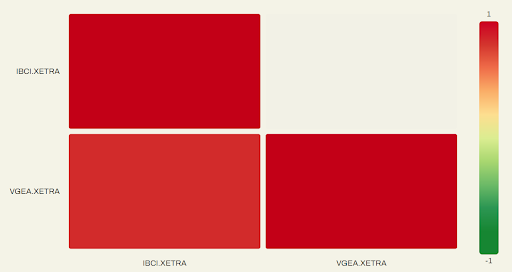
From the chart above, one can see how in periods of high inflation the two instruments are almost inversely correlated with each other. In general, however, one can see from the correlation matrix below how the correlation of the two bond instruments predominates: 0.63.
Related guides
Accumulating vs Distributing ETFs: Which Should You Choose?
Accumulating or distributing ETF? The choice affects tax timing and long-term compounding. How to decide based on your …
The 4% Rule: How Much Can You Safely Withdraw in Retirement Each Year
The 4% rule defines the annual withdrawal rate that lets a portfolio last 30 years. How it works, why Europeans need a …
Lazy Portfolio: How to Build a Low-Cost ETF Portfolio That Beats Most Active Funds
A lazy portfolio outperforms 90% of active funds with two ETFs and one hour per year. Complete guide to the best models …